Automatic Gate System Installation in 2024: what's changed and what works
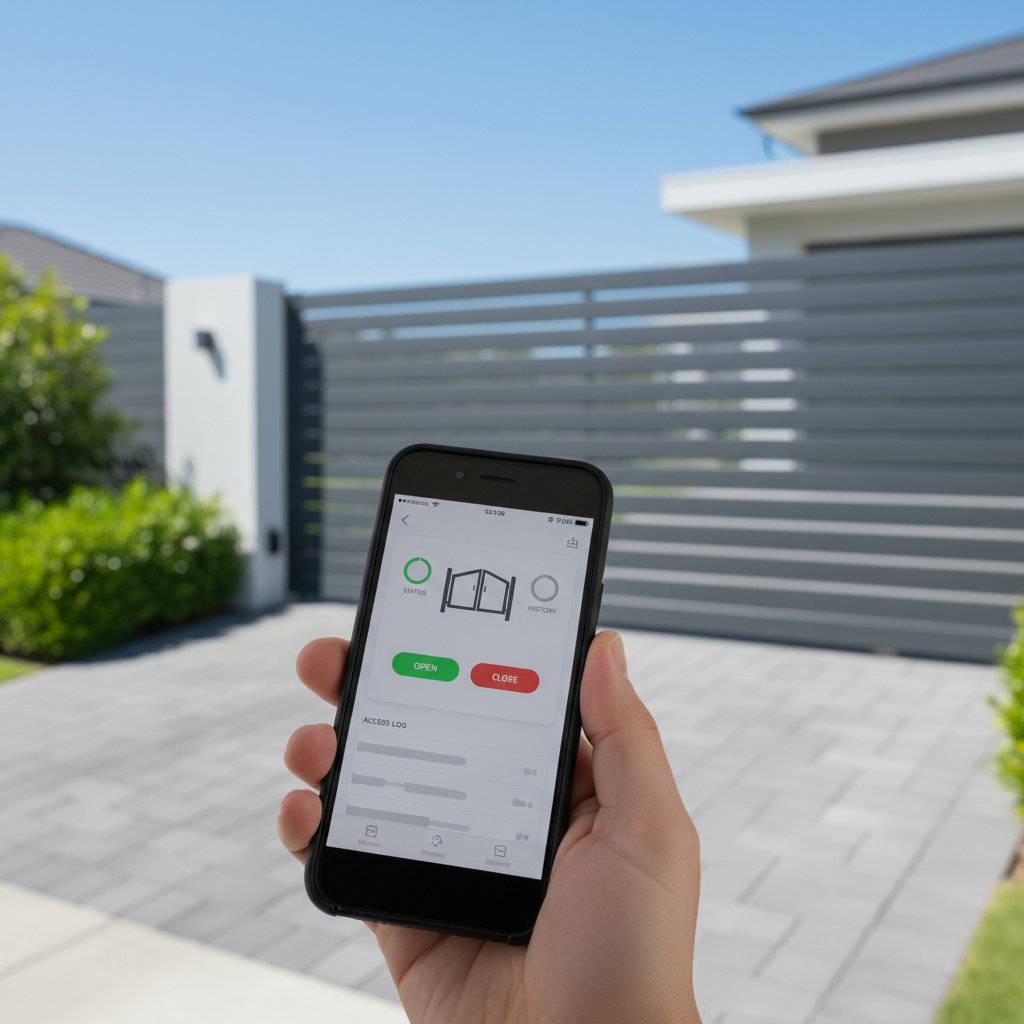
The automated gate industry has quietly undergone a revolution in the past couple of years. What used to be a straightforward decision between swing or slide has morphed into a tech-forward conversation about solar panels, smartphone integration, and AI-powered security features. If you're planning an installation in 2024, the landscape looks nothing like it did even three years ago.
Here's what actually matters now when you're getting gates installed, stripped of the marketing fluff.
What's Actually Changed in Automatic Gate Installation
1. Solar-Powered Systems Have Finally Become Practical
Remember when solar gate operators were that thing your environmentally conscious neighbor tried and immediately regretted? Those days are done. Modern solar panels paired with lithium battery banks now reliably power gates through weeks of cloudy weather. We're seeing installations in Seattle and Portland—not exactly sun capitals—running without grid connection for 30+ days straight.
The math works differently now too. A quality solar setup runs about $800-$1,200 more than traditional wired systems, but you're saving $2,500-$4,000 in trenching costs when your gate sits 150+ feet from your electrical panel. Plus, battery technology has improved to where you're getting 5-7 year lifespans instead of the pathetic 2-3 years we dealt with in 2019.
One catch: you need at least 4-6 hours of indirect sunlight daily. Heavily wooded properties still need traditional power or a hybrid approach.
2. Smartphone Control Isn't Optional Anymore—It's Expected
The clunky remote clipped to your visor is heading toward obsolescence. Every major manufacturer now ships operators with WiFi or Bluetooth integration as standard equipment, not a premium add-on. You can grant temporary access to delivery drivers, get notifications when your teenager actually made curfew, and check if you left the gate open from three states away.
The real game-changer? Geofencing that opens your gate as you approach and closes it behind you automatically. It sounds gimmicky until you're juggling groceries in a rainstorm and the gate just... opens. Apps from companies like LiftMaster and Nice have finally nailed the user interface too—my 68-year-old mother figured it out in under five minutes.
3. Articulating Arm Gates Are Solving Impossible Driveways
Got a steep slope right at your entrance? Limited swing radius? A driveway that curves immediately after the gate? Articulating arm operators have dropped from $8,000+ specialty items to $3,500-$5,000 mainstream solutions. These systems use jointed arms that follow complex paths, making installations possible where you'd previously need expensive grading or a complete driveway redesign.
They look more industrial than traditional operators, which isn't everyone's aesthetic. But they're opening up (pun intended) properties that had zero good options before. Sloped driveways with 15-20 degree grades that would bind traditional swing gates work flawlessly with articulating systems.
4. Video Intercoms Have Replaced Audio-Only Systems
Audio intercoms were the standard for decades. Now they feel as outdated as corded phones. Video systems with 1080p or 4K resolution cost barely $200-$400 more than audio units, and they've eliminated the "who's at my gate?" guessing game entirely. Two-way video, night vision, and cloud recording are baseline features.
The integration possibilities matter more than the video quality itself. Modern systems tie into your existing security cameras, smart home setup, and can even use facial recognition to automatically admit family members while alerting you to unknown visitors. Some systems now include package detection algorithms that'll hold the gate open long enough for a FedEx truck to enter but won't stay open indefinitely.
5. Installation Timelines Have Compressed Dramatically
A typical residential gate installation used to eat up 3-5 days between electrical work, concrete curing, and operator mounting. New quick-set concrete formulas cure to working strength in 4-6 hours instead of 48. Pre-wired operator kits eliminate hours of on-site electrical work. Most single-gate residential installations now complete in a single day, with dual-gate systems wrapping up in two days max.
The caveat? That's assuming your installer actually uses modern techniques. Plenty of contractors still do things the 2015 way because it's what they know. Ask specifically about quick-set concrete and installation timeframe during your quotes. If they're quoting 4-5 days for a standard swing gate, they're either behind the times or padding the schedule.
6. Maintenance Alerts Have Shifted from Reactive to Predictive
Gates don't just fail anymore—they warn you first. Operators now include sensors that monitor motor temperature, battery voltage, cycle counts, and force requirements. When your gate starts working 8% harder to open, the system alerts you that your hinges need lubrication before you're dealing with a burned-out motor.
This predictive maintenance approach is saving property owners $500-$1,500 annually in emergency service calls. The data gets pushed to your phone or, if you've got a service contract, directly to your maintenance company. One installer told me they've reduced emergency callouts by 60% since these monitoring systems became standard in 2023.
The Bottom Line for 2024
Automatic gate systems have crossed from mechanical convenience into genuinely smart technology. You're not just buying a motorized fence anymore—you're installing a connected security system that happens to open and close. The upfront cost has crept up about 15-20% since 2021, but the functionality increase makes that old equipment look prehistoric by comparison.
Shop for installers who've embraced these changes rather than contractors still doing things the old way. The gap between modern and outdated installations has never been wider.